


How does a hot tub cover impact the temperature of the water?
As a seasoned supplier of hot tub covers, I've witnessed firsthand the profound impact these seemingly simple accessories can have on the temperature of the water in a hot tub. In this blog post, I'll delve into the science behind how a hot tub cover affects water temperature, explore the various factors at play, and discuss the benefits of investing in a high - quality cover.
The Science of Heat Transfer
To understand how a hot tub cover impacts water temperature, we first need to grasp the basics of heat transfer. There are three primary methods of heat transfer: conduction, convection, and radiation.
Conduction occurs when heat is transferred through direct contact between two objects. In the context of a hot tub, conduction can cause heat to escape from the warm water to the cooler air and the surrounding environment. A hot tub cover acts as a barrier, reducing the direct contact between the water and the outside air, thus minimizing heat loss through conduction.

Convection involves the transfer of heat through the movement of fluids, such as air or water. When the warm water in a hot tub is exposed to the air, the heated water molecules rise to the surface and transfer their heat to the cooler air above. This creates a cycle of rising and falling water molecules, known as convection currents. A well - fitting hot tub cover disrupts these convection currents, preventing the warm water from coming into contact with the cooler air and reducing heat loss.
Radiation is the transfer of heat through electromagnetic waves. Even in the absence of direct contact or fluid movement, hot objects emit infrared radiation, which can be absorbed by cooler objects. A hot tub cover with reflective materials can help to reflect some of this infrared radiation back into the water, reducing heat loss through radiation.
Factors Affecting the Effectiveness of a Hot Tub Cover
Several factors can influence how well a hot tub cover retains heat and maintains the water temperature.
Material Quality: The material of the hot tub cover is crucial. High - quality covers are typically made from thick, insulated materials such as closed - cell foam. Closed - cell foam has small, air - filled cells that act as insulators, reducing heat transfer. Cheaper covers made from thinner or less - insulating materials may not provide adequate protection against heat loss.
Fit: A proper fit is essential for a hot tub cover to be effective. A cover that is too small or does not seal tightly around the edges will allow air and heat to escape. It's important to measure your hot tub accurately and choose a cover that is designed to fit your specific model. Some covers come with adjustable straps or locking mechanisms to ensure a snug fit.
Condition: Over time, a hot tub cover can become worn or damaged. Exposure to sunlight, chemicals, and the elements can cause the cover to deteriorate, reducing its insulating properties. Regular maintenance, such as cleaning and treating the cover, can help to extend its lifespan and maintain its effectiveness.
Benefits of a High - Quality Hot Tub Cover
Investing in a high - quality hot tub cover offers several benefits beyond just maintaining water temperature.
Energy Savings: By reducing heat loss, a good hot tub cover can significantly lower your energy costs. The less heat that escapes from your hot tub, the less energy your heater needs to use to keep the water at a comfortable temperature. This can result in substantial savings on your utility bills over time.
Water Conservation: A hot tub cover also helps to reduce water evaporation. Evaporation not only causes the water level in your hot tub to drop but also requires you to add more water and chemicals to maintain the proper balance. By minimizing evaporation, a cover can help you conserve water and reduce your overall maintenance costs.
Protection: A hot tub cover protects the water and the interior of the hot tub from debris, dirt, and leaves. This helps to keep the water clean and reduces the frequency of cleaning and maintenance. It also protects the hot tub components from damage caused by exposure to the elements.
Additional Hot Tub Accessories
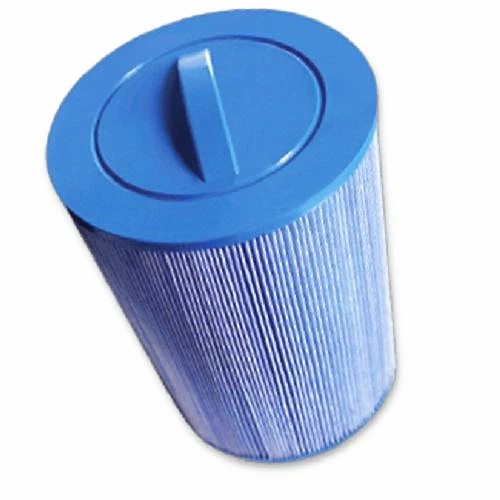
In addition to a hot tub cover, there are other accessories that can enhance the functionality and efficiency of your hot tub. For example, a Spa Filter Cartridge helps to keep the water clean by removing impurities and debris. A Hot Tub Step provides a safe and convenient way to enter and exit the hot tub. And a Hot Tub Cover Lifter makes it easy to remove and replace the cover, reducing the strain on your back and making maintenance more manageable.
Conclusion
In conclusion, a hot tub cover plays a vital role in maintaining the temperature of the water in your hot tub. By understanding the science of heat transfer and the factors that affect the effectiveness of a cover, you can make an informed decision when choosing a cover for your hot tub. A high - quality cover not only helps to keep the water warm but also offers energy savings, water conservation, and protection for your hot tub.
If you're in the market for a hot tub cover or any of the other accessories mentioned above, I invite you to explore our wide range of products. We take pride in offering high - quality, durable hot tub covers and accessories that are designed to meet your needs. Contact us today to learn more about our products and how they can enhance your hot tub experience.
References
- Incropera, F. P., & DeWitt, D. P. (2002). Fundamentals of Heat and Mass Transfer. John Wiley & Sons.
- ASHRAE Handbook: Fundamentals. American Society of Heating, Refrigerating and Air - Conditioning Engineers.


