

Introduction
The swim spa wholesale price can vary significantly between suppliers, even when their products appear similar in size and design. Differences in manufacturing processes, equipment brands, order quantities, customization requirements, and warranty coverage can all affect the quoted price and the costs a dealer may face after delivery. Understanding these factors helps distributors compare equivalent offers, protect their margins, and select a supplier that supports their long-term business.

Manufacturing Processes & Material Quality
Manufacturing methods and material specifications influence production costs, dimensional consistency, and the quality of the finished swim spa, making them important factors when evaluating wholesale quotes.
CNC Trimming & Fiberglass Reinforcement
5-axis CNC trimming and automated fiberglass spraying equipment require substantial investment but can improve processing repeatability and structural consistency compared with less controlled manual operations, so buyers should compare machining standards, reinforcement specifications, and inspection records rather than relying on equipment claims alone.
Acrylic Shell & Insulation
Acrylic brand, material grade, surface finish, and polyurethane foam insulation specifications can change the unit price, so dealers should request detailed material descriptions and insulation configurations before comparing quotations for similar-sized models.
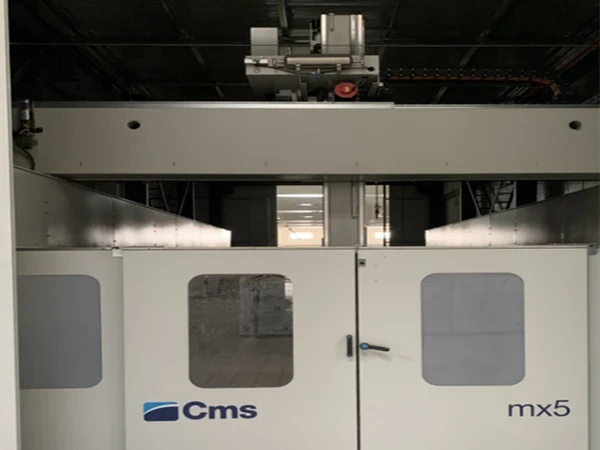
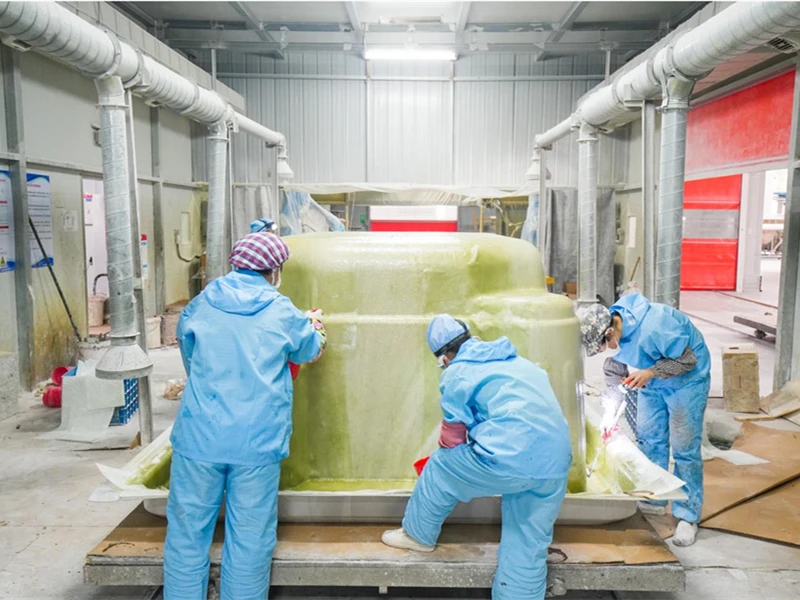
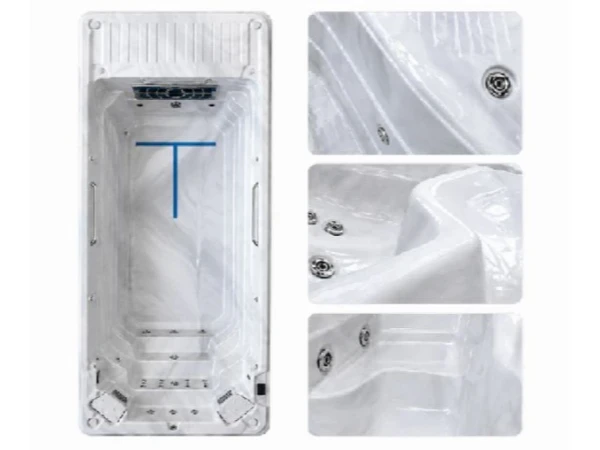

A higher manufacturing cost is justified only when the associated specifications and quality controls provide demonstrable value, rather than simply reflecting a factory's investment in equipment.
Equipment Brands & Swim Current Technology
The equipment package is another major factor in swim spa wholesale pricing, because different components affect the purchase cost, product positioning, and availability of replacement parts.
Control Systems, Pumps & Water Care
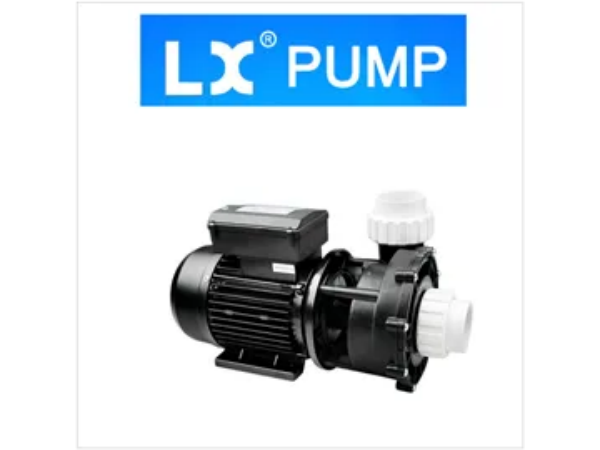
Control systems, circulation pumps, filtration equipment, and water treatment components can vary considerably in price, so buyers should compare actual brands, model numbers, quantities, and included functions while checking whether replacement parts are readily available in their target markets.
Jet-Based & Turbine Swim Systems
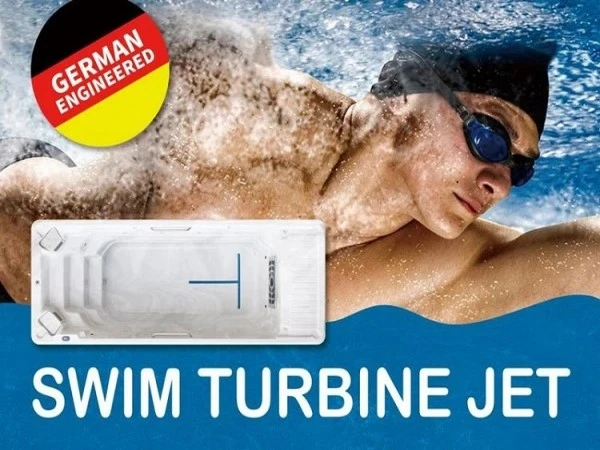
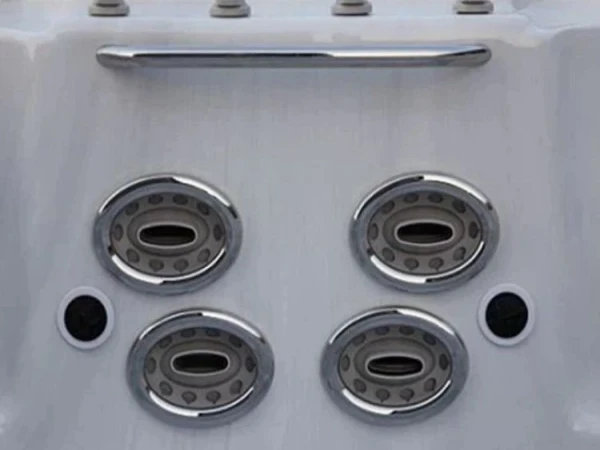
Conventional jet-based systems and turbine-driven systems such as Badu Jet Turbine Pro offer different swimming experiences and equipment configurations, with turbine systems potentially carrying higher costs that dealers should evaluate against their target customers' performance expectations and willingness to pay.
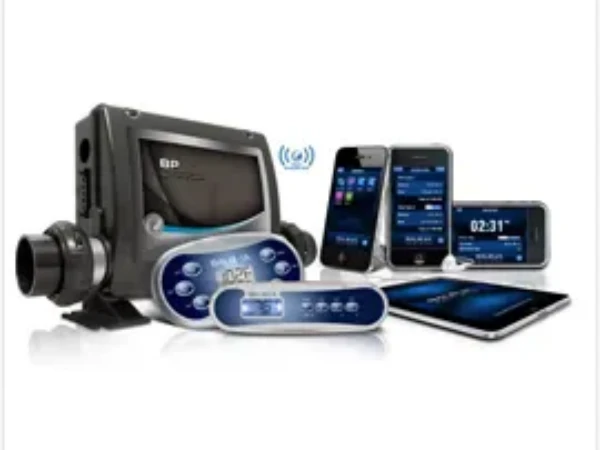
A higher-priced equipment package makes commercial sense when its performance, serviceability, and market positioning support a stronger sales proposition rather than adding features that target customers do not value.
Order Volume, MOQ & Container Loading
Order volume, minimum order requirements, and shipping arrangements affect the per-unit cost of a swim spa, particularly when dealers are planning an initial market test or building inventory for repeat sales.
Minimum Order Quantity
The dealer program offers a flexible first-order MOQ of 1 FCL (Full Container Load) for testing the partnership, while the company's product and inquiry pages also advertise flexible ordering; buyers should confirm the applicable minimum for their selected swim spa models and configurations before requesting a final quotation.
Container Loading & Freight Costs
Ask the supplier to calculate the number of units that can be loaded based on each model's dimensions, protective packaging, and container restrictions, then compare the freight and handling costs across suitable shipping arrangements rather than assuming that a 20GP or 40HQ container will accommodate a fixed number of swim spas.
Repeat Orders & Dealer Pricing
The dealer program includes factory-direct wholesale pricing and partnership support, so distributors should discuss quantity-based quotations, repeat-order schedules, and any regional dealership terms directly with the supplier instead of assuming that fixed volume discounts or exclusive pricing apply automatically.
Customization & Optional Features
Customization affects wholesale pricing through additional materials, engineering work, tooling, assembly requirements, and testing, so buyers should distinguish one-time development expenses from recurring costs per unit.
Structural Customization
Changes to seating layouts, lounger positions, or internal structures may require engineering assessments, mold modifications, or new tooling, making it important to establish development fees, minimum order quantities, and the number of units over which these costs can be distributed.
Dual-Zone Configuration
A dual-zone swim spa may require separate temperature control and additional circulation or heating components for the swimming and hydrotherapy areas, so buyers should request an itemized comparison with a single-zone configuration rather than relying on a general upgrade surcharge.
Finish & Branding
Custom shell colors, cabinet finishes, LED lighting, logo placement, and branded packaging can introduce material, processing, or setup costs that should be listed separately to show which options increase the recurring unit price and which involve one-time charges.
Before approving customization, dealers should calculate whether the expected order volume and selling price can recover the additional investment without making the product uncompetitive in their local market.
Certifications, Warranty & After-Sales Support
Certifications, written warranty coverage, and access to technical support can affect the value of a swim spa quotation because they influence market-entry requirements and the dealer's responsibilities after delivery.
Certifications & Market Compliance
CE, ETL, TUV, RoHS, NSW, and SAA certifications or approvals, alongside an ISO 9000 reference should be provided; buyers should request the applicable certificate or test report for the exact swim spa model and electrical configuration, particularly when supplying markets with different regulatory requirements.
Warranty Coverage By Component
The published warranty terms specify a 10-year prorated warranty for the spa structure, a 3-year prorated warranty for the spa shell surface, and 2-year warranty for the jets, spa cover, controller and electrical parts, and spa cabinet, so dealers should review the applicable terms, exclusions, and allocation of replacement and service costs before comparing supplier prices.
Quality Testing & After-Sales Support
The quality control process includes fiberglass testing, ultrasonic thickness measurement, water-leakage detection, pressure-resistance testing, and blistering inspection, while the dealer program also provides technical training and marketing support; buyers should confirm which inspection records, spare parts, troubleshooting assistance, and warranty services are available for their specific swim spa order.
How To Compare Swim Spa Supplier Quotes
A meaningful swim spa supplier price comparison requires equivalent product specifications, clearly defined delivery responsibilities, and a realistic assessment of costs beyond the factory quotation.
1. Standardize the Quotation Scope
Ask every supplier to quote the same model size, swim current system, control package, insulation specification, accessories, order quantity, packaging requirements, and Incoterm so that apparent price differences reflect genuine commercial differences.
2. Calculate the Landed Cost Per Unit
Add the factory price, international freight, insurance where applicable, import duties, customs and destination handling fees, and other buyer-paid charges to estimate the cost of bringing each unit to the intended destination.
3. Budget for Installation & After-Sales
Include installation arrangements, technical support, spare-part inventory, and expected warranty-related expenses in the internal cost assessment, while distinguishing estimated future expenses from confirmed supplier charges.
4. Verify Lead Times & Supply Conditions
Request a written production schedule, sample or pre-production approval requirements where relevant, packaging specifications, and shipment arrangements, then confirm whether the quoted lead time applies to the selected model, order volume, and customization scope.
As a capable supplier example, Bestview Spa operates a 60,000 m² manufacturing facility and uses automated production equipment, including five-axis CNC machining and Roberts fiberglass spraying technology, providing concrete manufacturing capabilities for buyers to assess alongside price. Its published swim spa information gives a typical lead time of 7–30 days, depending on model, quantity, and customization requirements, so dealers should obtain a confirmed schedule for their specific orders.

Conclusion
The swim spa wholesale price reflects more than the cost of the finished product, as manufacturing processes, equipment packages, order volume, customization, compliance, and after-sales commitments all affect the commercial value of a quotation. Dealers can make more informed purchasing decisions by comparing equivalent specifications, calculating landed costs, and verifying the supplier's delivery and warranty responsibilities before placing an order. Contact our team with your target market, preferred configuration, order quantity, destination, and customization requirements to request a tailored wholesale quotation and discuss dealer or OEM/ODM cooperation.


