

Introduction
Outdoor wellness is becoming an important selling point for vacation rentals, glamping sites, private villas, and hospitality projects, but these markets do not share the same equipment requirements. A wood stove hot tub offers an alternative for outdoor settings where off-grid operation and a traditional bathing experience matter, while an electric hot tub prioritizes convenient controls, massage functions, and integrated water management. For distributors, spa brands, and project buyers, understanding these differences is essential to selecting products that match customer expectations, installation conditions, and long-term operating requirements.
Wood Stove vs. Electric Hot Tubs: Key Differences
The two heating systems differ in more than their energy sources, as their materials, circulation methods, and included features influence how buyers can position them in different markets.
- Seating Capacity: The wood stove model accommodates four people, while the electric model accommodates six, making the latter more suitable for larger households and group use.
- Shell Material: The wood-fired model uses a 304 stainless steel inner shell, whereas the electric version features an acrylic shell suited to a contemporary spa aesthetic.
- Heating System: The wood-fired configuration uses an external stainless steel stove, while the electric model offers a 3 kW or 5.5 kW heater.
- Water Circulation: Natural thermosiphon circulation moves water between the wood stove and tub without an electric pump, while the electric model uses a dedicated 0.25 HP circulation pump.
- Massage Functions: The standard wood-fired configuration does not include a massage-jet system, whereas the electric model features 27 jets powered by a separate 3 HP massage pump.
- Water Filtration: The wood-fired model has no built-in filtration system, while the electric model includes a 50 sq. ft. filter to support routine water management.
- Controls & Power: The wood-fired model operates without an electronic controller, while the electric model uses a control panel and requires an appropriate electrical supply, specified for this model as 230 V and 25 A.
These specifications show why neither option is universally superior: the right choice depends on the installation environment, desired bathing experience, and level of operational convenience required.
When Is a Wood Stove Hot Tub the Better Choice
A wood stove hot tub is worth prioritizing when a project values off-grid capability, distinctive outdoor experiences, and a heating system that does not depend on electrically powered circulation equipment.

Off-Grid Cabins & Remote Retreats
Cabins in remote locations can benefit from wood-fired heating and natural circulation when connecting electrical infrastructure would be impractical or expensive, provided that water access, drainage, and fire safety requirements are addressed.
Glamping Sites & Nature-Based Resorts
The visible fire through the tempered-glass stove door, combined with a cedar or spruce exterior, creates a distinctive feature that can strengthen the appeal of nature-focused accommodation packages.
Operators Seeking Fewer Electrical Components
The absence of an electric circulation pump and electronic controller reduces the number of electrical components requiring maintenance, although operators must still manage firewood, temperature, combustion safety, and water quality.
For distributors, this configuration offers a clear product story built around outdoor atmosphere and independent heating rather than extensive automation.
When Is an Electric Hot Tub the Better Choice
An electric hot tub is generally a stronger candidate for markets where customers prioritize convenient operation, massage features, and integrated circulation and filtration.

Residential Backyards & Villas
The 6-person capacity, acrylic shell, smart control panel, and 27 massage jets make this configuration suitable for homeowners seeking a contemporary outdoor spa experience.
Vacation Rentals & Managed Properties
Electric heating and integrated filtration can support more standardized operating routines, while property managers still need to schedule water treatment, filter cleaning, and equipment inspections between guest stays.
Spa Dealers & Premium Outdoor-Living Retailers
The combination of massage functions, dedicated pumps, and electronic controls gives retailers several tangible features to demonstrate when serving customers who value comfort and convenience.
However, electric operation requires a suitable power supply and compliant installation, so buyers should confirm local electrical requirements, available capacity, and operating costs before selecting a model for a particular property.
How B2B Buyers Should Evaluate Total Operating Requirements
Beyond the purchase price, buyers should compare the resources, maintenance procedures, and installation requirements associated with each heating system.
Heating & Energy Inputs
Wood-fired operation requires a reliable supply of suitable firewood and staff or user time, whereas electric operation incurs electricity costs that depend on local tariffs, heater output, ambient conditions, and usage patterns.
Water Care & Maintenance
A wood-fired model without built-in filtration requires a planned water-treatment and replacement routine, while an electric model with filtration still needs filter cleaning, water balancing, and equipment checks.
Installation & Safety
Buyers should verify filled weight, foundation capacity, drainage, access space, and applicable safety requirements, including safe stove placement and clearances for wood-fired units or compliant electrical connections for electric models.
A realistic operating-cost comparison should use local energy prices, expected occupancy, heating frequency, labor requirements, and maintenance schedules rather than assuming that either system is always cheaper.
OEM/ODM & Wholesale Options for Different Markets
Distributors can build a more relevant product range by adapting appearance, equipment, and branding to the needs of their target customers, provided that proposed changes are technically feasible.
Product Configuration
Buyers can evaluate stove and circulation layouts for wood-fired models or heater, pump, filtration, and massage configurations for electric models, subject to engineering review.
Appearance & Private-Label Branding
Cedar or spruce cabinets, cover options, product logos, labels, manuals, and packaging can help brands align product presentation with their local market positioning.
Market-Specific Adaptation
Electrical configurations, documentation, and applicable compliance requirements should be confirmed for the destination market before production, particularly when supplying electric models to different regions.
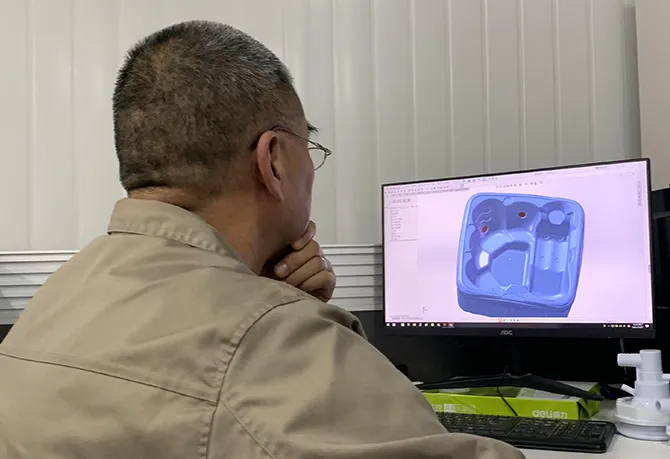
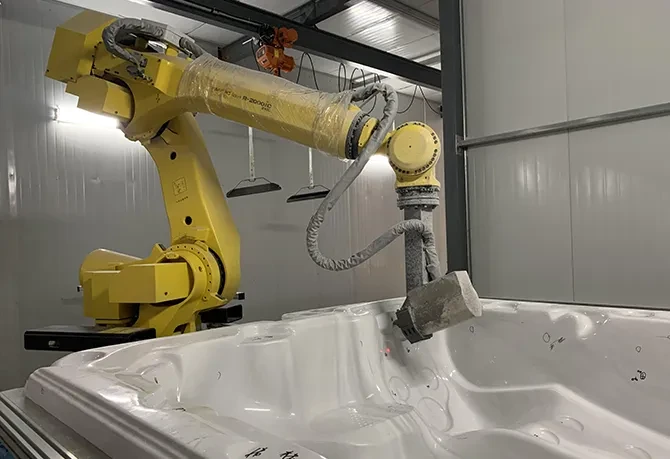
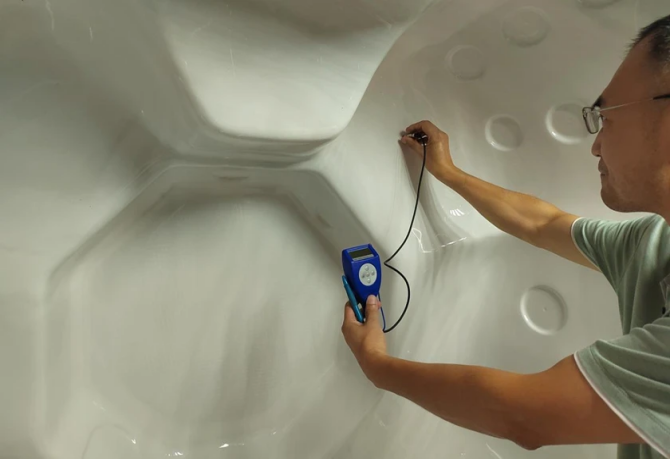
For these projects, Bestview Spa operates a 60,000 m² manufacturing facility with more than 150 employees and a monthly capacity of up to 3,000 hot tubs and swim spas, supporting wholesale and private-label supply. Production and inspection processes cover product configuration and, for electric models, water sealing, electrical safety, and functional testing, helping buyers maintain consistency across approved bulk orders.

Manufacturing
Conclusion
A wood stove hot tub is a compelling choice for markets built around off-grid accommodation, natural surroundings, and distinctive outdoor experiences, while an electric hot tub better serves customers who prioritize massage functions, convenient controls, and integrated filtration. Distributors should evaluate local installation conditions, customer preferences, operating requirements, and product positioning before deciding whether to focus on one heating system or offer both. Contact our team with your target market, order quantity, preferred configuration, branding requirements, and delivery destination to request a wholesale quotation and discuss suitable OEM/ODM options for your business.
Request for Your Hot Tub Selection Recommendation


