Introduction
Wood fired hot tubs offer an alternative to conventional electric spas for glamping sites, remote cabins, and outdoor hospitality projects where reliable access to electricity may be limited. For commercial buyers, distributors, and private-label brands, these tubs can expand outdoor wellness offerings through wood-fired heating, natural water circulation, and customizable designs. Before buying, buyers should evaluate how the heating system works, which materials suit their operating conditions, what maintenance is required, and whether the manufacturer can meet their technical and supply requirements.
How Do Wood Fired Hot Tubs Work
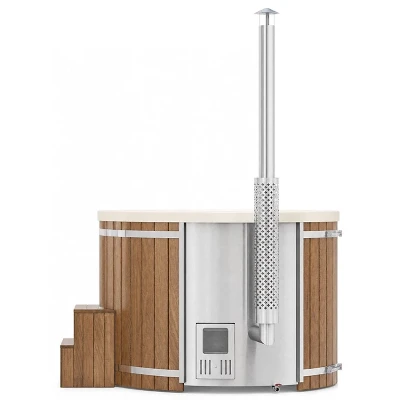
Wood fired hot tubs heat bathing water by burning wood in a dedicated stove, while some models use natural thermosiphon circulation to move water between the heater and the tub without an electric circulation pump.
Natural Thermosiphon Circulation
When the stove heats the water, the warmer, less-dense water rises through the circulation pipe while cooler, denser water moves toward the heater, creating a continuous natural convection cycle when the plumbing layout and installation conditions support it.
External Wood-Fired Heater vs. Internal Stove
An external wood-fired heater keeps the combustion chamber outside the bathing area, preserving interior space for bathers and allowing users to add firewood and remove ash without reaching into the tub, although the installation still requires appropriate clearances and safe access.
Materials, Insulation & Long-Term Durability
The tub shell, exterior cabinet, insulation, and cover all influence durability, cleaning requirements, heat retention, and the long-term operating costs of a wood fired hot tub.
Why 304 Stainless Steel Matters
A 304 stainless steel shell offers corrosion resistance and a smooth, easy-to-clean bathing surface, while buyers should verify the actual material grade, weld quality, and suitability of all water-contact components rather than assuming that stainless steel alone guarantees a particular service life.
Cabinet, Insulation & Cover
Cedar or spruce cabinets provide a natural appearance for outdoor settings, while suitable insulation and a fitted cover reduce heat loss between uses, particularly in cold climates where wind, low ambient temperatures, and frequent reheating can increase fuel consumption.
Heating Performance, Water Care & Safety
Commercial buyers should assess heating time, water hygiene, installation conditions, and local regulations together because these factors determine whether a wood fired hot tub can operate reliably in a specific hospitality setting.
How Long Does a Wood Fired Hot Tub Take to Heat
Standard heating time is 30–40-minutes. However, heating time varies with water capacity, starting temperature, target temperature, firewood moisture content, heater output, and outdoor conditions, so buyers should request model-specific test data.
Managing Water Quality Without Built-In Filtration
Low-Frequency Commercial Use: Operators can drain, clean, disinfect, and refill the tub between guests when this approach meets applicable public-health requirements and the manufacturer's instructions.
High-Frequency Commercial Use: Properties with frequent guest turnover should assess compatible external filtration, water-treatment equipment, and routine water-quality monitoring to maintain appropriate hygiene standards.
Cleaning and Maintenance: Operators should establish documented cleaning schedules and water-management procedures because a system without built-in filtration still requires effective sanitation and contamination control.
Installation & Fire Safety
Local Regulations: Buyers should check local wood-burning restrictions, air-quality rules, chimney requirements, smoke limits, and fire-safety regulations before selecting a model.
Site Preparation: Installers should verify foundation load capacity, drainage, safe distances from combustible materials, ventilation, and winterization requirements before commissioning the tub.
Products Description
OEM and ODM capabilities allow distributors, hospitality operators, and private-label brands to adapt wood fired hot tubs to their target markets, installation conditions, and customer expectations.
OEM/ODM Configuration Options
Structural Configuration
Buyers can discuss tub dimensions, seating arrangements, external heater placement, and pipe connection layouts to match available installation space and intended occupancy.
Appearance & Branding
Cabinet wood, surface finishes, private-label nameplates, and export packaging can help distributors maintain consistent brand presentation across their product ranges.
Project-Specific Requirements
Buyers should confirm heater configuration, insulation, cover options, accessories, and destination-market requirements before approving a customized design.
Customized Choices Just for You
Manufacturing Capacity & Quality Control
product key technologies
Production Capacity
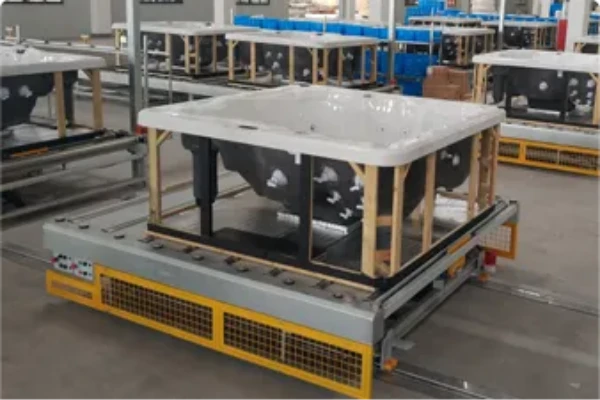
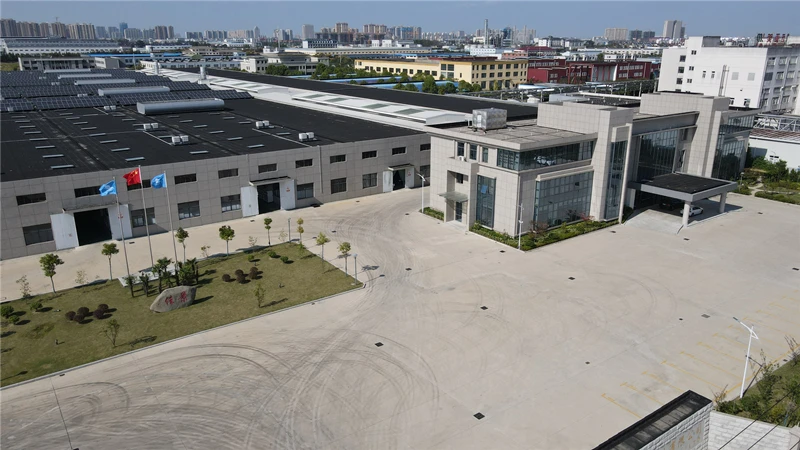
Verified factory size, staffing, monthly output, and production scheduling help buyers assess whether a supplier can support repeat orders and planned market expansion.
Quality Inspection
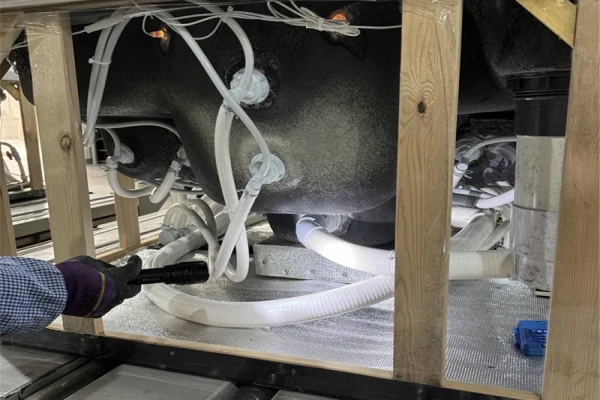
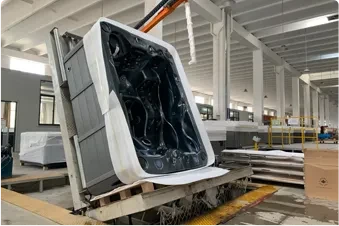
Buyers should request documented shell and plumbing leak tests, weld inspections, functional checks of the natural circulation system, and final appearance inspections appropriate to the selected configuration.
What to Include in Your Supplier Inquiry
A standard four-person model provides a useful starting point for comparing dimensions, installation requirements, materials, and included equipment, but buyers should verify every specification against the exact model being quoted.
- Order Volume: Provide the initial order quantity and estimated annual demand so the supplier can assess production scheduling and volume-based pricing.
- Destination Market: Identify the destination country and intended installation environment so the supplier can review relevant export, safety, and regulatory requirements.
- Product Configuration: Specify dimensions, seating layout, heater type, insulation, cover requirements, and any requested accessories.
- Branding & Packaging: Describe private-label requirements, cabinet finishes, logo placement, and export packaging specifications.
- Delivery Schedule: State the target delivery date and destination port or delivery location to support a realistic production and shipping plan.
For commercial projects, Bestview Spa's provides a reference point for assessing factory scale, staffing, and production capacity, with 20+ years' OEM/ODM experience, 60,000 m² of factory space, more than 150 employees, and monthly output of up to 3,000 hot tubs and swim spas. Buyers should confirm current capacity, model-specific quality-control procedures, customization scope, and delivery commitments before placing a bulk order.


Conclusion
Wood fired hot tubs offer an appealing option for cabins, glamping sites, and outdoor hospitality projects that value wood-fired heating, natural circulation, and flexible installation options. Before purchasing, buyers should evaluate material quality, heating performance, water management, fire safety, local regulations, and the manufacturer's ability to support customization and repeat orders. Send your target order quantity, destination market, required specifications, private-label requirements, and delivery schedule to receive a tailored wood fired hot tub solution.
Explore Your Wood Fired Hot Tub Projects