Introduction
Both roto molded and acrylic hot tubs are popular choices in today's spa market. Understanding the differences in their construction, features, and applications can help buyers select the most suitable option for residential, commercial, or distribution projects.


What Is a Roto Molded Hot Tub
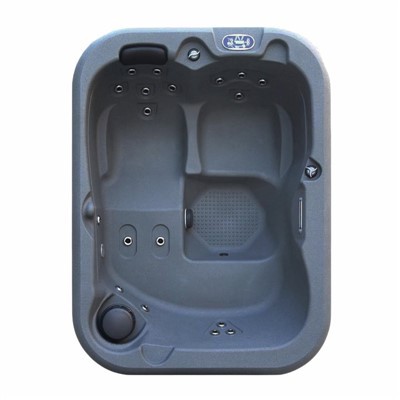
A roto molded hot tub is manufactured using a rotational molding process that creates a durable, one-piece spa shell. These hot tubs are commonly used in outdoor recreational environments, vacation properties, residential settings, and rental projects where practical operation and easy placement are important considerations.
For buyers seeking a more detailed introduction to roto molded spa construction, applications, and available models, our guide "What Is a Rotomolded Hot Tub? A Complete Beginner's Guide" provides a comprehensive overview of this product category.
What Is an Acrylic Hot Tub
An acrylic hot tub features an acrylic shell supported by a reinforced structure and integrated spa components. Acrylic construction allows manufacturers to offer a wide range of shapes, seating layouts, and appearance options while accommodating various massage systems and comfort-oriented configurations.
Acrylic hot tubs are widely used in residential, hospitality, resort, and wellness environments where comfort, aesthetics, and user experience are important considerations. They can also be configured with features such as massage jet systems, advanced filtration, ozone or UV water care options, heating systems, insulation solutions, and smart control platforms such as BALBOA or SPANET. These configuration possibilities allow buyers to select products that align with different project goals and market requirements.
Roto Molded Hot Tub vs Acrylic Hot Tub: Key Differences
Both hot tub types can provide enjoyable spa experiences, but their construction and configuration approaches differ.
|
Comparison Area |
Roto Molded Hot Tub |
Acrylic Hot Tub |
|
Shell Construction |
Rotational Molded Structure |
Acrylic Shell Structure |
|
Appearance Options |
Functional Design |
More Design Options |
|
Insulation Integration |
Available |
Available |
|
Feature Configuration |
Practical Configuration |
Expanded Configuration Options |
|
Application Scenarios |
Residential & Outdoor Use |
Residential & Commercial Use |
The choice is often influenced by project goals, target users, and desired feature combinations. While both product types support relaxation and hydrotherapy experiences, buyers should evaluate how each construction method aligns with their specific application requirements.
Which Applications May Benefit from Each Hot Tub Type
While both hot tub types can support a variety of residential and commercial applications, their design characteristics often make them better suited to different project environments and user expectations.
Roto Molded Hot Tub Applications
Roto molded hot tubs are often selected for outdoor recreation areas, vacation homes, rental properties, and other projects where straightforward installation and practical operation are priorities. Their versatile design makes them suitable for a variety of outdoor environments.
Acrylic Hot Tub Applications
Acrylic hot tubs are commonly used in premium residential settings, hospitality developments, resorts, and wellness environments. Their wider range of design options and feature configurations allows project buyers to align products with specific guest experiences and facility positioning.
Which Features Should Buyers Compare Beyond Shell Material
Shell material is only one aspect of hot tub selection. Buyers should also compare the components and systems that influence daily operation and user experience.
- Massage Jet Systems: Instead of focusing solely on shell construction, buyers should evaluate the hydrotherapy experience the jet system provides. Jet placement, quantity, and configuration can directly impact user comfort and overall spa performance.
- Water Care Systems: Filtration, ozone, and UV technologies contribute to water quality management and operational convenience. Comparing available water care options can help buyers identify products that align with their maintenance expectations.
- Control Systems: Control platforms such as BALBOA and SPANET influence how users manage temperature, filtration schedules, and operating settings. These systems can play an important role in everyday usability.
- Heating and Insulation: Heating efficiency and insulation design support temperature consistency and long-term operating performance, making them important evaluation factors beyond shell material alone.
What to Look for in a Hot Tub Manufacturer
Selecting the right manufacturer, such as Bestview Spa, is just as important as selecting the right hot tub type.
|
Evaluation Area |
What Buyers Should Confirm |
|
Product Range |
Roto Molded & Acrylic Options |
|
Component Quality |
Control, Heating & Water Care Systems |
|
OEM Capability |
Custom Configuration Support |
|
Consistent Production Standards |
|
|
Technical Support |
Product Guidance & Service |


For buyers still evaluating which construction type best fits their market, manufacturers that offer both roto molded hot tubs and acrylic hot tubs can provide broader product selection and more flexible project planning options. Buyers should evaluate whether a supplier offers reliable product quality, suitable configuration options, OEM support, and consistent manufacturing standards. Technical guidance and after-sales support should also be considered when comparing long-term partnership opportunities.
Conclusion
Both roto molded hot tubs and acrylic hot tubs can provide effective spa solutions when matched with the right application requirements. Buyers should compare construction, features, and supplier capabilities rather than focusing on shell material alone. Contact us to discuss the most suitable hot tub solution for your market or project requirements.